Bone grafting and sinus lifts
If there isn't enough bone to hold an implant, it can often be built up first, or at the same time as the implant is placed. A sinus lift does this for the upper back teeth.
Why there sometimes isn't enough bone
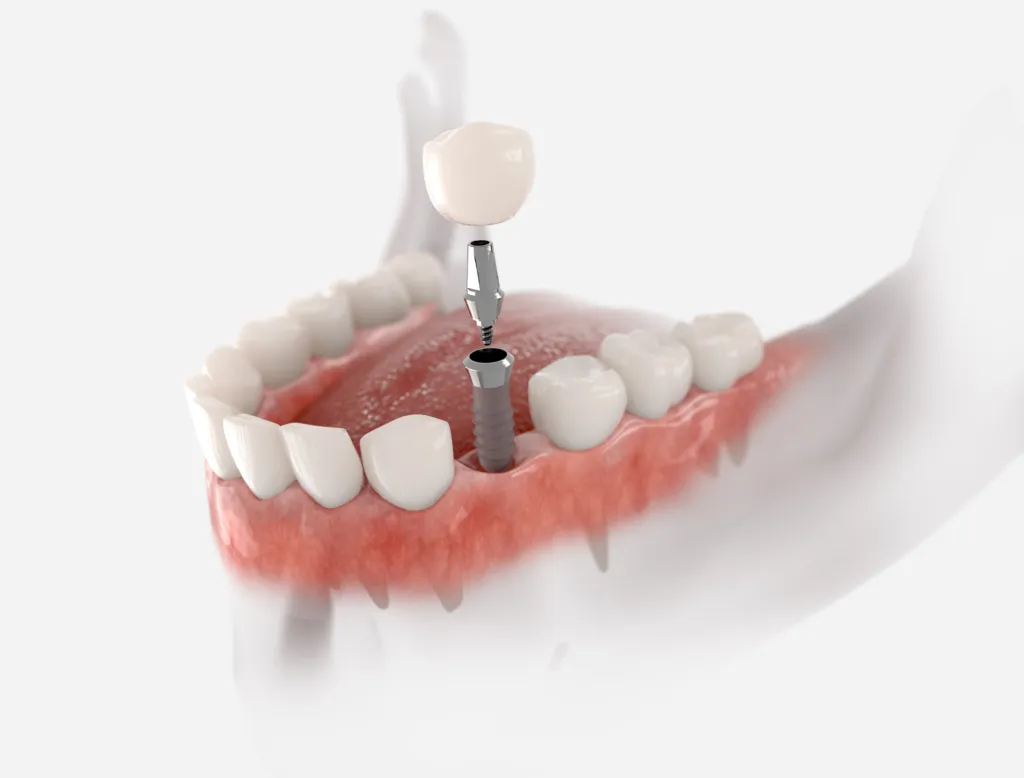
After a tooth is lost or removed, the bone that once held it slowly shrinks away (resorbs). This happens faster when there have been long-standing gum problems, or when a poorly fitting denture has been worn. The result is that there is sometimes not enough bone to support an implant.
When that happens, new bone can often be created to fill in the missing areas, so that implants can be fitted. These techniques are known as bone grafting and guided bone regeneration.
Will I need bone grafting?
Not everyone does. You're more likely to need it if:
- the tooth was lost some time ago, so the bone has had time to shrink
- you've had long-standing gum problems
- you've been wearing a denture that doesn't fit well
- you're missing upper back teeth, where the bone beneath the sinus is often shallow
We find out at your consultation, often with a CBCT 3D scan at our Cirencester practice. It shows the shape and depth of your bone, and your sinuses, in three dimensions.
The main types of bone grafting
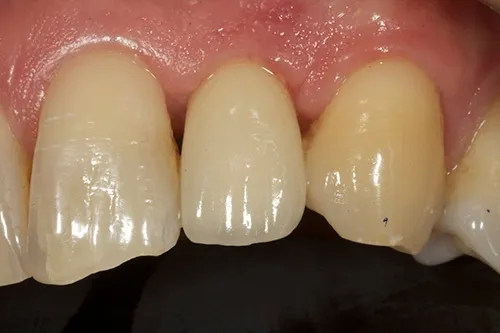
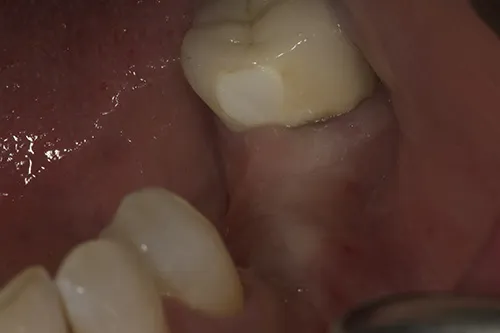
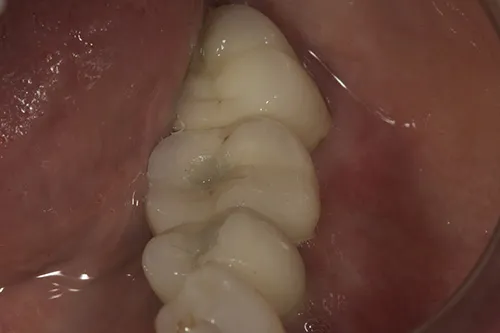
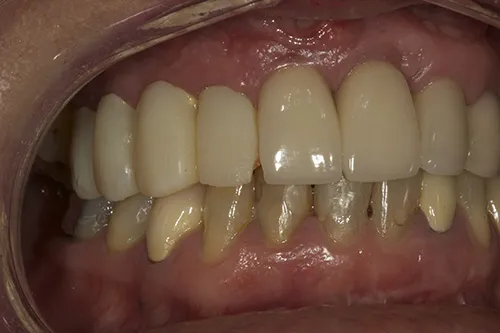
Guided bone regeneration. A bone substitute (biomaterial) is placed where the bone is thin, to encourage your own bone to grow and fill the area. It is often done at the same time as placing the implant, and appears in several of our case studies.
Bone grafting. Where more bone is needed, a graft builds up the area before or during implant treatment. The bone used can be your own, taken from another site, or a bone substitute from an outside source.
Sinus lift (sinus augmentation). Your sinuses are air spaces in the bone above your upper back teeth. The bone below them is often too shallow for an implant. In a sinus lift, bone is grown in part of the sinus space, using your own bone, a biomaterial or both. Over time this is replaced by new bone, giving a firm bed for the implants.

How it fits into your treatment
Assessment. Your consultation and CBCT scan show whether you need extra bone, and how much.
Grafting at the same time, or first. Sometimes the graft, or the sinus lift, can be done at the same time as placing the implant. Otherwise the graft is placed first, and the implant goes in once new bone has formed.
Healing. The graft is left to mature before the implants are put to work. Your dentist will check it has healed, sometimes with a further scan.
Your new teeth. Once the implants have bonded to the bone, your crown, bridge or denture is made and fitted.
How long it takes
Bone grafting adds time to your treatment. As a guide:
- No grafting needed: implants are commonly ready to use 6 to 12 weeks after they are placed.
- Graft placed at the same time as the implant: more likely 9 to 12 weeks.
- Graft placed first, implant after it has matured: treatment may take 9 to 18 months overall.
- After a sinus lift: if the implants are placed as a second step, this is usually after 3 to 9 months, occasionally longer, depending on how much bone is being grown and the material used. The implants then commonly heal for an average of 3 to 9 months before your teeth are fitted.
Every graft is different, and these timings are a guide only. It's important not to rush: moving from one stage to the next before the bone and gum have fully healed can cause even well-planned treatment to fail.
After a sinus lift
You'll be given written instructions to take home. They ask you to:
- avoid blowing your nose for two weeks
- sneeze through your mouth
- avoid swimming or flying
- report any nosebleed, sinus pain or swelling straight away
Ask us when you can swim or fly again. There is a small chance of a nosebleed. If it happens, sit upright, apply a cold compress and stay calm, then call us.
Swelling is often worst on the second or third day and may last a few days. If you're unsure, or the swelling lasts more than a week, call 01285 640248, or out of hours 07912 668541. The full leaflet is on the aftercare instructions page.
Fees
Artificial bone (guided tissue regeneration) is from £480, complex bone grafting is from £1,350 and sinus grafting is from £1,650.
| Item | Details | Price |
|---|---|---|
| CBCT 3D scan (at our Cirencester practice) | A 3D X-ray of your jaw that shows the shape and depth of the bone, so implants can be planned precisely. Charged in addition to the consultation, only if a scan is needed. | £210 |
| Artificial bone (guided tissue regeneration) | A bone-substitute material placed where the bone is too thin, to help new bone form around an implant. | from £480 |
| Bone grafting (complex) | More extensive bone grafting, for cases where more bone has to be rebuilt to hold an implant. | from £1,350 |
| Sinus grafting | Building up bone beneath the sinus, above the upper back teeth (a sinus lift), so implants can be placed there. | from £1,650 |
These are added to the cost of your implants, and a CBCT scan, if you need one, is £210. Your written, fully costed plan shows exactly what's needed before you decide, and if the plan has to change once treatment is under way, any change in cost is explained before it is incurred. You can pay in stages as your treatment progresses. Prices are from our August 2026 price list and may change. See all fees.
Cases with bone grafting
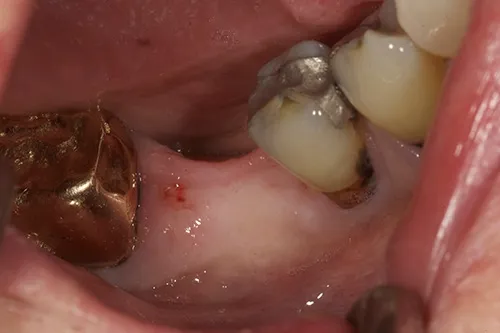
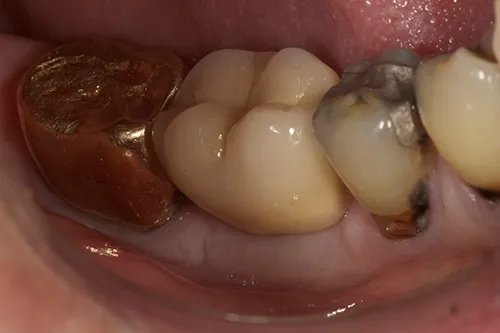
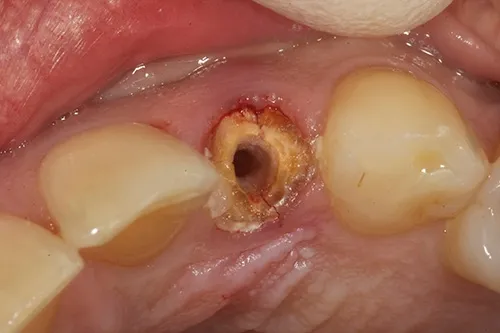
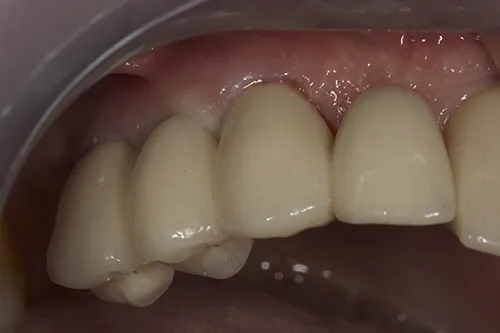
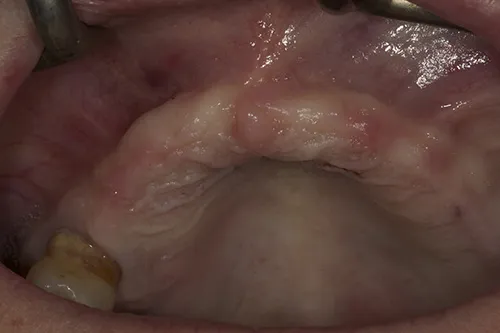
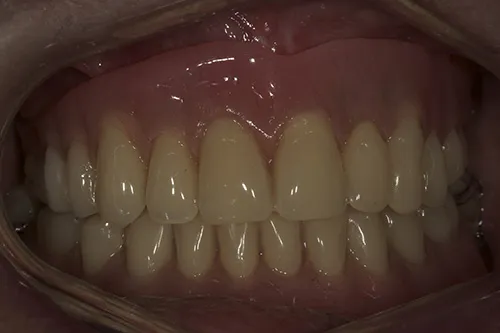
These cases at the practice include guided bone regeneration.
Questions about bone grafting
What if I don't have enough bone for an implant?
After a tooth is lost, the bone that held it slowly shrinks away. This happens faster if you’ve had gum problems for a long time or worn a poorly fitting denture. If there isn’t enough bone to hold an implant, new bone can often be created. The techniques are called bone grafting and guided bone regeneration. The graft can be your own bone, taken from another site, or a bone substitute from an outside source. Your CBCT scan shows how much bone you have.
How much does bone grafting cost?
Bone grafting is only needed if there isn’t enough bone to hold an implant, and your consultation and CBCT scan will show whether you need it. Artificial bone (guided tissue regeneration) is from £480, complex bone grafting is from £1,350 and sinus grafting (a sinus lift) is from £1,650. These are added to the cost of your implants and shown in your written plan before treatment starts.
What is guided bone regeneration?
Guided bone regeneration is a way of encouraging your own bone to grow where there isn’t quite enough to hold an implant. After a tooth is taken out, the socket usually heals well on its own. Where the bone at the planned implant site is less than ideal, a bone-substitute material is placed there to help your own new bone form. Depending on how much bone is needed, this can be done at the same time as your implant is placed or beforehand.
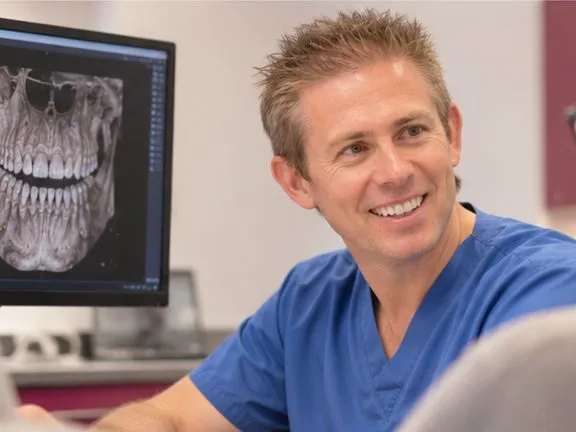
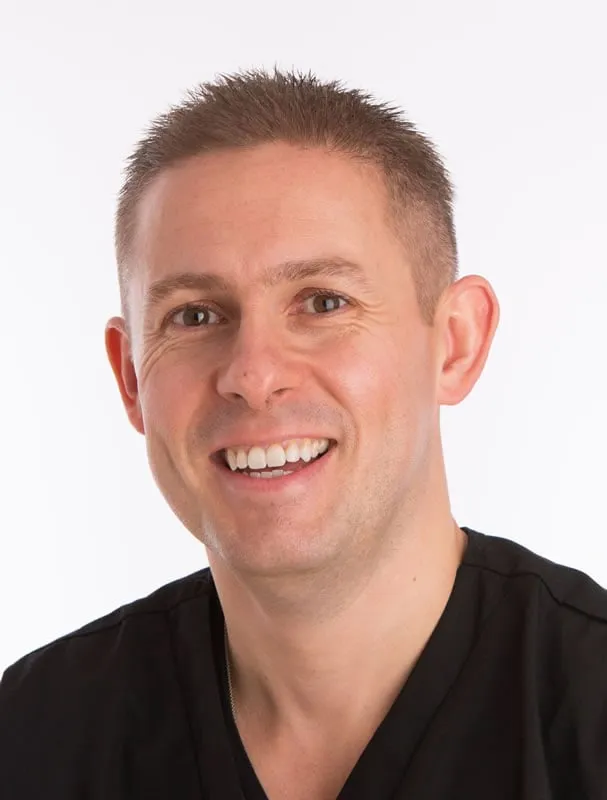
Dr Ross Cutts (GDC 78162) has a particular interest in complex bone grafting, as well as aesthetic and digital implant dentistry.
Dr Ross Cutts
Practice Principal
GDC 78162
Principal dentist and ITI Fellow with a master's degree in prosthodontics. Ross sees every implant referral personally, at Cirencester and Stow-on-the-Wold.
Profile: Dr Ross Cutts
Start with a conversation.
Book a consultation to find out whether you have enough bone for implants. You'll leave with a clear, fully costed plan to take home and think over.